Alright, let’s talk about getting good at riding horses. It’s not just about sitting on one; it’s a whole dance, a partnership really. And if you’re looking for the secret sauce to success, it boils down to understanding your horse, refining your own body, and never, ever stopping the learning process. It’s practical stuff, not magic, and it’s achievable for anyone willing to put in the consistent effort and thoughtful reflection.
Before you can even think about advanced maneuvers or jumping fences, you need to nail the basics. This isn’t just for beginners; even experienced riders regularly revisit these building blocks. They’re the bedrock of everything else you’ll do in the saddle.
Understanding Horse Behavior and Communication
You’re riding an animal with its own instincts, fears, and ways of communicating. Understanding these is paramount. A horse doesn’t speak English, but it speaks volumes with its ears, tail, head position, and overall body language. Learning to “read” these signs helps you anticipate, respond, and build trust. For example, flat ears usually mean annoyance or anger, while ears pointed forward can indicate alertness or curiosity. A swishing tail might be a sign of irritation from flies, but if accompanied by other stiff body language, it could signal frustration or pain.
Beyond just observation, you need to understand why horses behave the way they do. They are prey animals, meaning their primary instinct is to flee from danger. Knowing this helps you identify potential stressors and act accordingly. A plastic bag blowing in the wind might seem innocuous to you, but to a horse, it can be a predator lurking. Your calm demeanor and consistent reassurance are crucial in these moments.
Developing Your Seat
Your seat isn’t just where your bottom goes; it’s your entire core, hips, and legs acting as shock absorbers and communication tools. A good seat is independent, meaning you can absorb your horse’s movement without bracing or gripping with your hands or legs. This independence allows your aids (signals) to be clear and subtle, rather than accidental or forceful.
- Core Engagement: Think about activating your deep abdominal muscles, not just sucking in your gut. This stabilizes your upper body and allows your hips to follow the horse’s motion freely.
- Relaxed Hips: Your hips should be like ball joints, able to swivel and absorb the horse’s every stride. Avoid stiffness, which can block the horse’s movement and make you bounce.
- Weight Distribution: Learn to feel where your weight is. Is it balanced equally on both seat bones? Are you inadvertently leaning to one side? Subtle shifts in your weight are powerful aids for steering and balance.
Mastering Basic Aids
Your aids are your language with the horse. They consist of your seat, legs, hands, and voice. The goal is to use them subtly and effectively, building a partnership where the horse responds promptly and willingly to light cues.
- Leg Aids: Your legs control impulsion (forward motion) and lateral (sideways) movement. A gentle squeeze might say “go forward,” while a sustained pressure might ask for a canter. Used correctly, they can encourage bending, engage the hindquarters, and even help with steering.
- Rein Aids: Your hands connect to the bit via the reins, influencing the horse’s head, neck, and forehand. They are for asking for halts, turns, and upward/downward transitions. The key is to be soft and responsive, never yanking or pulling. Think of your hands as “following” the horse’s mouth, rather than dictating it.
- Seat Aids: As mentioned, your seat is a powerful aid for transitions, collection, and extension. A slightly deeper seat can prepare for a downward transition, while lightening your seat can encourage forward movement.
- Voice Aids: While not always used in formal riding, your voice can be a calming influence or a clear cue for certain actions, especially in groundwork or during training sessions.
If you’re considering equine riding lessons, you might also be interested in understanding the best practices for caring for horses after their riding days are over. An insightful article on this topic is available at The Ultimate Guide to Choosing the Perfect Home for Your Retired Horse, which offers valuable information on how to ensure a comfortable and fulfilling retirement for your equine companion. This knowledge can enhance your overall experience in riding and caring for horses.
Refining Your Partnership
Once the foundational elements are in place, the journey turns towards refining your communication and strengthening the bond with your horse. This involves developing a deeper understanding of each other and working towards more nuanced responses.
Developing Feel and Timing
This is where riding transcends mechanics and becomes artistry. “Feel” is your ability to perceive what your horse is doing, anticipating its next move, and delivering your aids with impeccable timing. It’s an intuitive understanding that develops over countless hours in the saddle.
- Active Listening: Feel isn’t just about what you do to the horse; it’s about actively listening to what the horse is telling you through its movement, muscle tension, and responsiveness.
- Predicting Movement: Can you feel the exact moment your horse is about to take a stride in the canter, allowing you to ask for it perfectly? Can you sense when it’s about to drift left before it even happens?
- Timing Your Aids: An aid given too early is confusing; too late, and it’s ineffective. Precise timing means applying the aid at the exact moment the horse is physically or mentally ready to respond, making your requests clear and effortless.
Understanding Forwardness and Impulsion
These aren’t just about speed. A truly forward horse is engaged, moving willingly from behind with energy, not just rushing. Impulsion is the controlled energy stemming from the hindquarters, pushing the horse forward and upwards. It signifies a horse that is attentive and powerful.
- Energy from Behind: The power should originate from the hind legs, like a coiled spring, driving the horse over its back and into a soft contact with your hands.
- Throughness: This describes the energy flowing freely through the horse’s body, from hindquarters to the bit, without blockages or stiffness. A “through” horse feels supple and connected.
- Avoiding Rushing: A common misconception is that “forward” means fast. A horse can be fast without being forward or have impulsion. Rushing is often a symptom of anxiety or not truly using its body effectively.
Achieving Suppleness and Balance
A supple horse is flexible and relaxed, able to bend and move its body freely without stiffness. A balanced horse carries itself well, using its body efficiently and without falling onto its forehand or hindquarters.
- Lateral Suppleness: This means the horse can bend its body evenly to both sides. Exercises like circles, serpentines, and leg-yields are excellent for improving lateral suppleness.
- Longitudinal Suppleness: The ability to stretch and contract its topline, allowing the horse to collect and extend its stride.
- Self-Carriage: The ultimate goal of balance is when the horse carries itself, rather than relying on the rider to hold it up. This is developed through strengthening exercises and consistent training.
The Mental Game: Yours and Theirs
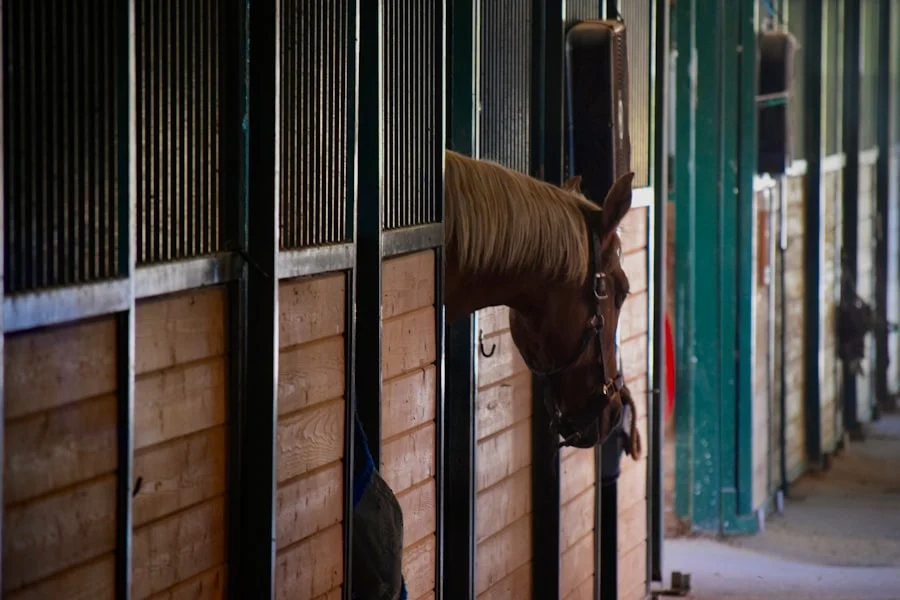
Riding is as much a mental sport as it is a physical one. Your mindset profoundly impacts your horse, and understanding their mental state is critical for consistent progress and a positive relationship.
Managing Rider Nerves and Anxiety
It’s completely normal to feel nervous, especially with a powerful animal. However, unchecked anxiety can transmit directly to your horse, making them tense and less responsive.
- Mindfulness and Breathing: Practice deep, slow breathing. Before mounting, take a few minutes to center yourself. Focus on your breath, and acknowledge any anxieties without dwelling on them.
- Positive Visualization: Before a ride, envision success. See yourself riding smoothly, feeling confident, and communicating effectively with your horse.
- Small Victories: Don’t focus on perfection. Celebrate small improvements. Maybe today, you got a clear canter transition when yesterday it was choppy. These small wins build confidence over time.
- Seeking Support: Don’t be afraid to talk to your instructor about your nerves. They can offer specific strategies and reassurance.
Building Trust and Respect
This isn’t just about treats (though those can help!). Trust is built through consistent, fair, and clear communication. Respect is earned when your horse understands you are a reliable leader who won’t put them in harm’s way unnecessarily.
- Consistency: Horses thrive on routine and predictability. Be consistent with your aids, your expectations, and your daily interactions.
- Fairness: Never ask for something the horse isn’t physically or mentally ready for. Don’t punish genuine mistakes; guide and teach.
- Clear Communication: Ensure your aids are as unambiguous as possible. Confusing aids lead to frustration for both horse and rider.
- Listening to Your Horse: Pay attention to their signals of discomfort or unwillingness. Sometimes, a “no” from your horse isn’t defiance, but a sign of pain, confusion, or fear.
Problem-Solving and Adaptability
Things will go wrong. Your horse will have off days. You’ll make mistakes. Success lies in your ability to analyze, adapt, and learn from these moments.
- Analyze the Situation: When something isn’t working, pause. What exactly is happening? Is your horse resisting an aid? Why? Are you unknowingly sending conflicting signals?
- Adjust Your Approach: If one technique isn’t working, try another. Perhaps your leg aid needs to be softer, or your rein aid needs to be more yielding. Maybe you need to go back to a simpler exercise.
- Seek Knowledge: Consult your instructor, watch instructive videos, or read books. There’s always more to learn.
- Patience: Horse training is a marathon, not a sprint. Some issues take weeks, months, or even years to resolve. Patience is your greatest virtue.
The Rider’s Physical Checklist
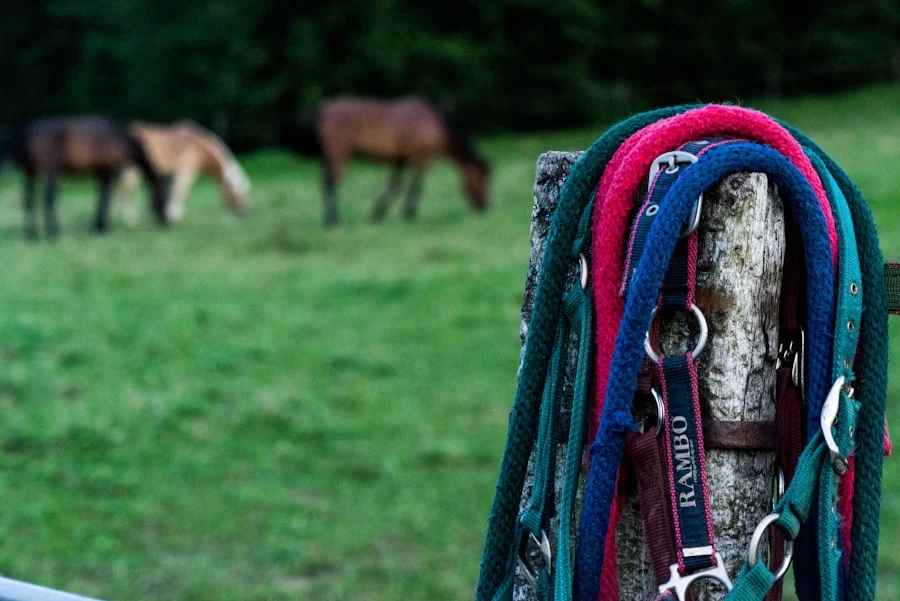
You can’t expect your horse to perform at its best if your own body isn’t up to the task. Riding is an athletic endeavor, and conditioning yourself off the horse is crucial.
Core Strength and Stability
Your core is your connection to the horse. A strong, stable core allows for an independent seat, subtle aids, and the ability to absorb movement without bracing.
- Planks: Excellent for overall core stability. Focus on keeping a straight line from head to heels.
- Pilates and Yoga: These disciplines are fantastic for developing deep core strength, flexibility, and body awareness – all vital for riders.
- Bird-Dog Exercise: Improves core stability and helps with coordination.
- Dead Bug: Works deep core muscles without straining the back.
Flexibility and Balance
Stiffness in your hips, back, or shoulders can hinder your ability to move with the horse. Good balance keeps you secure and allows for independent aids.
- Stretching: Focus on hip flexors, hamstrings, and inner thighs. Regular stretching improves your range of motion and helps you achieve a deeper, more effective seat.
- Single-Leg Stands: Practice standing on one leg for extended periods to improve balance. Close your eyes to make it more challenging.
- Bosu Ball Exercises: Standing or squatting on a Bosu ball actively engages stabilizing muscles and significantly improves balance.
- Foam Rolling: Releases muscle tension and improves flexibility, particularly in the back, hips, and IT band.
Body Awareness and Coordination
Knowing where your body parts are in space and being able to move them independently is key for precise riding. Can you move your right leg without gripping with your left hand?
- Mirror Work: Stand in front of a mirror and practice your riding posture. Are your shoulders dropped? Are your hips even?
- Alexander Technique/Feldenkrais: These methods are designed to improve posture, movement, and body awareness, which can be incredibly beneficial for riders.
- Riding Without Stirrups (controlled environments): This forces you to use your core and balance, significantly improving your body awareness in the saddle.
- Drills off the Horse: Practice isolating movements. For example, sitting on a stability ball and moving only your hips, simulating the horse’s motion, helps develop independent body parts.
If you’re considering taking equine riding lessons, it’s essential to understand the broader context of horse care and management. A great resource that complements your riding education is an article about finding the best horse boarding stables. This article provides valuable insights into what to look for in a stable, which can significantly enhance your overall experience with horses. You can read more about it in this informative piece on top horse boarding stables. Understanding these aspects will not only improve your riding skills but also deepen your connection with these magnificent animals.
Continuous Learning and Growth
| Lesson Type | Duration | Price |
|---|---|---|
| Private Lesson | 1 hour | 50 |
| Group Lesson | 45 minutes | 30 |
| Lesson Package | 5 lessons | 200 |
Riding is a journey with no destination. There’s always a new nuance to discover, a different way to refine your communication, and further depths to your partnership.
Working with a Qualified Instructor
This is non-negotiable for serious progress. A good instructor provides objective feedback, identifies subtle issues you can’t feel, and guides you through a progressive training plan.
- Regular Lessons: Consistency is key. Weekly or bi-weekly lessons help maintain momentum and address problems before they become habits.
- Diverse Perspectives: If possible, consider auditing clinics or taking lessons from different instructors occasionally. Different perspectives can offer breakthrough insights.
- Open Communication: Be honest with your instructor about your challenges, fears, and goals. The more they know, the better they can help you.
Attending Clinics and Workshops
Clinics offer intensive learning experiences, often focusing on specific disciplines or training philosophies. They can accelerate your progress and expose you to new ideas.
- Specialized Topics: Look for clinics on topics relevant to your goals – jumping, dressage, liberty work, horsemanship, etc.
- Different Horses: Riding different horses, even occasionally, can significantly improve your adaptability and feel. Some clinics offer the opportunity to ride school horses.
- Auditing: Even if you can’t ride in a clinic, auditing is an excellent way to learn. You can observe different horses and riders, listen to the instructor’s feedback, and gain valuable insights.
Self-Reflection and Analysis
After every ride, take a few minutes to think about how it went. What worked well? What was challenging? What could you have done differently?
- Riding Journal: Keep a journal of your rides. Note what you worked on, your successes, challenges, and any observations about your horse. This creates a valuable record of your progress.
- Video Analysis: Have someone video your rides. Watching yourself objectively can reveal habits, imbalances, or timing issues you weren’t aware of.
- Goal Setting: Set realistic, short-term and long-term goals for yourself and your horse. This gives purpose to your training and tracks your journey.
- Embrace Mistakes: See mistakes as learning opportunities, not failures. Every “oops” moment holds a lesson if you’re willing to look for it.
Respecting the Horse’s Welfare
Ultimately, mastering equine riding isn’t just about your skill; it’s about prioritizing the well-being of your partner. A sound, healthy, and happy horse is a willing and capable partner.
- Veterinary Care: Regular check-ups, vaccinations, and prompt attention to any health concerns are paramount.
- Dental Care: Dental issues can severely impact a horse’s comfort with the bit and their overall health.
- Hoof Care: Regular farrier visits are essential for soundness.
- Nutrition: A balanced diet tailored to your horse’s needs is crucial for their energy, health, and demeanor.
- Appropriate Tack: Ensure your saddle fits correctly and your bridle is comfortable. Ill-fitting tack can cause pain and behavioral issues.
- Rest and Turnout: Horses need time to be horses. Ample turnout, rest days, and varied work keep them mentally and physically fresh.
By focusing on these practical aspects – understanding your horse, refining your own body, and committing to continuous learning – you’ll be well on your way to truly mastering equine riding. It’s a never-ending, incredibly rewarding journey.