
Finding a boarding stable nearby involves more than just a quick search. It’s about matching your horse’s needs and your own preferences with what’s available in your local area. The best way to “discover boarding stables near me” is through a combination of online tools, word-of-mouth recommendations, and thorough in-person visits to truly assess the stable environment.
When you’re first kicking off your search for a boarding stable, it can feel a bit overwhelming. There are a few reputable places to begin that will give you a good foundational list.
Online Stable Directories
Websites dedicated to equestrian services are excellent starting points. They often categorize stables by location and offer filters for different amenities.
- StableRent, EquineNow, NewHorse: These are popular platforms that allow stable owners to list their facilities and boarders to search by zip code or desired features. You can often see photos, read facility descriptions, and sometimes even find reviews.
- Local Equestrian Groups on Social Media: Facebook groups for riders in your specific county or region are goldmines. People often post about available stalls, give recommendations, or openly discuss local stable reputations. It’s an informal but highly effective way to tap into the community’s knowledge.
Word-of-Mouth Recommendations
Don’t underestimate the power of simply asking around. People who are already immersed in the equestrian world in your area often have the most current and accurate information.
- Your Veterinarian and Farrier: These professionals visit numerous barns and have unique insights into stable management, horse health practices, and overall stable environments. They can often recommend places that align with good horse care.
- Local Tack Shops: Staff at your local tack shop often know who runs which stable and what its general reputation is. They interact with equestrians daily and are a great resource for local leads.
- Riding Instructors and Trainers: If you already have an instructor or are looking for one, they’ll know which barns have good facilities for training and where a particular discipline thrives.
Driving Around Your Desired Area
Sometimes, the best way to find a gem is to just drive. Many smaller or family-run stables don’t have extensive online presences.
- Look for Signage: Keep an eye out for “Horse Boarding” or “Stalls Available” signs along rural roads.
- Unearthing Hidden Gems: These stables might offer a more personal feel, and you might discover something perfect that wasn’t advertised online.
If you’re looking for boarding stables near you, it’s essential to consider the safety and comfort of your horses. A related article that discusses the importance of proper fencing for horse protection can be found here: Give Your Horses the Protection They Need with a Vinyl Horse Fencing. This resource provides valuable insights into how quality fencing can enhance the well-being of your horses while they are boarded.
Assessing Stable Types and Boarding Options
Once you’ve got a list of potential stables, it’s time to refine your search by considering the different types of boarding available and what works best for your horse and your budget.
Full Care Board
This is typically the most comprehensive and often the most expensive option. It generally means the stable staff handles the majority, if not all, of your horse’s daily needs.
- Daily Feeding: Often involves twice-a-day feeding with a standard stable grain and hay. Inquire about feed types and if supplements are included or if you need to provide them.
- Stall Cleaning: Stalls are typically cleaned daily, meaning fresh bedding is added and soiled bedding removed.
- Turnout: Horses are turned out daily, weather permitting, often in group paddocks. Ask about turnout duration and herd dynamics.
- Blanketing Services: Many full-care barns will blanket and unblanket your horse according to weather changes.
- Basic Health Monitoring: Staff will often monitor horses for basic signs of illness or injury and alert you.
Partial Care/Self Care Board
These options offer a spectrum of responsibility, where the boarder takes on more of the daily tasks in exchange for a lower monthly fee.
- Partial Care: This is a hybrid model. The stable might provide hay and a stall, but you’re responsible for feeding your horse and cleaning the stall. Or, they might feed, but you do the cleaning. It varies greatly, so clarify specifics.
- Self Care: In a pure self-care setup, you are responsible for everything – bringing your own feed and hay, cleaning the stall daily, and often handling turnout. This requires significant time commitment but can be very budget-friendly.
Pasture Board
This is generally the most natural and often the most economical boarding option, where horses live outside full-time.
- 24/7 Turnout: Horses are kept in pastures with access to shelter, often a run-in shed.
- Hay and Water Provided: Stables will typically provide hay (especially in winter) and ensure fresh water is available.
- Minimal Human Interaction: While staff will monitor the herd, individual handling is less frequent. You’ll be responsible for bringing your horse in for farrier/vet visits and specific handling.
- Herd Dynamics: It’s crucial to ask about the existing herd and how new horses are integrated.
Key Considerations for Stable Facilities and Amenities
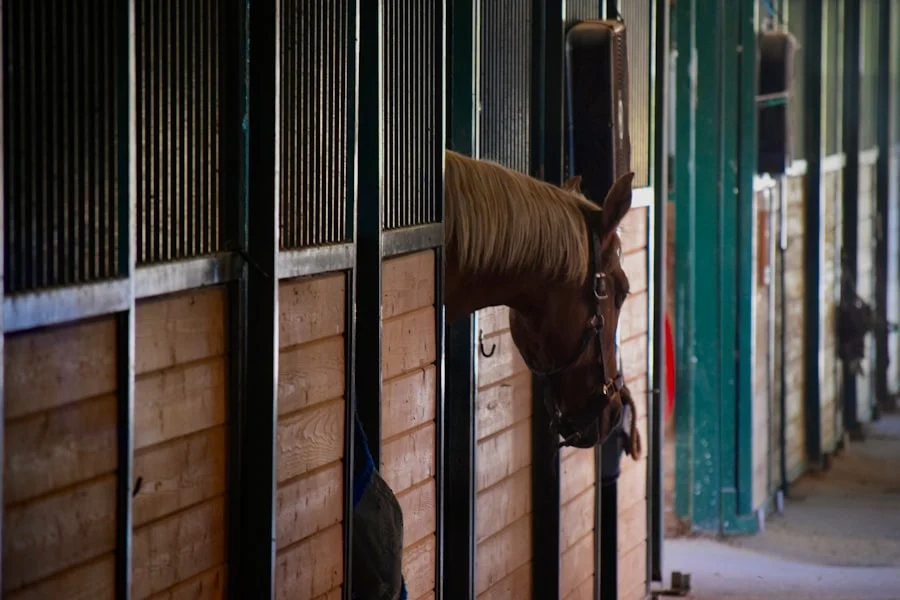
Once you have a shortlist, the actual visit becomes paramount. This is where you move from online descriptions to real-world assessment.
Barn Structure and Stall Quality
A well-maintained barn is often a sign of good overall stable management.
- Ventilation and Lighting: A well-ventilated barn prevents respiratory issues, and good lighting is essential for safety and daily tasks.
- Stall Size and Bedding: Stalls should be appropriately sized for your horse (often 12×12 feet for a full-sized horse) and have clean, adequate bedding. Ask about the type of bedding used (shavings, straw, pellets).
- Aisles and Concrete: Wide, clear aisles are safer. Gritty, non-slip concrete or rubber matting is preferable to slick surfaces.
- Fly Control: Good fly control measures (fans, fly sprays, predatory wasps) indicate attention to horse comfort and health.
Turnout and Pasture Management
Quality turnout is crucial for a horse’s physical and mental well-being.
- Paddock Size and Condition: Paddocks should be spacious enough for horses to move around freely without constant conflict. Look for relatively smooth ground without excessive mud or sharp objects.
- Fencing Type and Condition: Safe fencing is non-negotiable. Inspect for broken boards, loose wire, or low spots. Wood, sturdy vinyl, or non-climb mesh are generally preferred.
- Water Access in Turnout: Pastures should have clean, fresh water sources, especially during warmer months.
- Pasture Rotation: Larger stables may practice pasture rotation to maintain grass quality and reduce parasite load.
Riding Areas and Training Facilities
Your riding goals will heavily influence what you need in terms of riding facilities.
- Indoor Arena: Essential if you plan to ride year-round or in inclement weather. Check footing quality, dust control, and lighting.
- Outdoor Arena(s): Look for appropriate size, level ground, and good footing. Drainage is also key for usability after rain.
- Round Pen: Useful for groundwork, breaking, or training young horses.
- Trails: Access to on-site or nearby trails is a great bonus for hacking and cross-training.
- Jumps or Obstacles: If you specialize in specific disciplines like jumping or eventing, ensure the stable provides the necessary equipment.
Tack Room and Storage
Practical amenities make your stable life easier.
- Secure Tack Room: Security is important for costly saddles and bridles.
- Generous Storage Space: Adequate space for your tack trunk, feed bins, and other equipment is a plus.
- Wash Stall: A dedicated wash stall with hot and cold water is a huge convenience.
- Bathroom/Lounge Area: A clean restroom and a warm place to sit in colder months can improve your experience significantly.
Management and Veterinary Care Protocols
The people running the stable and their approach to horse care are as important as the physical facilities.
Stable Management Philosophy
This often dictates the overall environment and care your horse will receive.
- Experience of Staff: Ask about the experience level of the stable owner and staff. Do they have equine first-aid training?
- Emergency Protocols: What are their procedures in case of a veterinary emergency? Who do they call? How quickly can they reach you?
- Communication: How do they prefer to communicate with boarders (text, call, email, barn whiteboard)? Clear, consistent communication is vital.
- Daily Horse Monitoring: How often are horses checked throughout the day? Are night checks performed?
Health and Wellness Practices
A good stable prioritizes the health of all horses on the property.
- Vaccination and Worming Schedules: Are there specific stable-wide requirements for vaccinations and deworming? This helps prevent outbreaks.
- Personal Vet and Farrier: Do you have to use the stable’s vet/farrier, or can you bring your own? Most stables are flexible but may have preferred professionals.
- Medication Administration: If your horse needs daily medication, confirm if staff can administer it and if there’s an extra charge.
- Quarantine Procedures: How do they handle new horses or a horse returning from a show with a potential illness? A quarantine protocol is a sign of responsible management.
- Dietary Flexibility: Can you provide your own specialized feed or supplements, or are you limited to the stable’s offerings?
Boarder Relations and General Atmosphere
The social aspect of a stable can significantly impact your enjoyment.
- Rules and Regulations: A well-run stable will have clear, fair rules about barn hours, guest policies, handling horses, and riding arena etiquette.
- Community Vibe: Observe interactions between boarders and staff. Do people seem friendly and helpful? Is it a competitive or relaxed atmosphere?
- Instructor Availability: Are outside instructors allowed, or do you have to use the stable’s trainers? Is there a waiting list for lessons?
If you’re looking for boarding stables near you, it’s essential to consider the care and maintenance of your horse’s equipment as well. A well-maintained saddle not only ensures your horse’s comfort but also enhances your riding experience. For some valuable insights on saddle care, you can check out this informative article on cleaning your horse saddle. Taking the time to properly clean and maintain your saddle can make a significant difference in both performance and longevity.
Finalizing Your Decision and Asking the Right Questions
| Boarding Stables | Distance | Rating |
|---|---|---|
| ABC Stables | 2 miles | 4.5 |
| XYZ Equestrian Center | 5 miles | 4.8 |
| 123 Ranch Stables | 3 miles | 4.2 |
Once you’ve narrowed it down to a top contender or two, it’s time to get down to brass tacks.
The “Must-Ask” Questions
Don’t hesitate to ask specific questions about anything that concerns you.
- What is included in the monthly board fee? Get a detailed list to avoid surprises. Are extra services like blanketing, fly spraying, or holding for the vet/farrier included or extra?
- What type and quantity of feed/hay is provided? Is it consistent quality?
- What are the turnout schedules and group sizes?
- What is the minimum lease term, and what’s the notice period for moving out?
- What are the barn hours?
- What happens if my horse gets sick or injured? Who do you call?
- Are there any additional fees (arena usage, lighting, trailer parking)?
- Can I speak to a current boarder? This offers valuable, unbiased insight.
Reviewing the Boarding Contract
Always read the contract thoroughly before signing.
- Understand the Terms: Ensure you understand all clauses regarding payment, services, liabilities, and termination.
- Insurance Requirements: Some stables require boarders to carry liability insurance.
- Emergency Contact Information: Make sure the stable has all your up-to-date contact info and emergency contacts.
Trust Your Gut Feeling
Beyond all the practical details, your instincts play a huge role. Does the stable feel right? Do you feel comfortable leaving your horse there? Sometimes, the feeling you get when you step onto a property is just as important as the amenities it offers. Finding the right boarding stable is a significant decision, and taking the time to do it properly will benefit both you and your horse in the long run.