So, you’re wondering if you can still learn to ride a horse as an adult? The short answer is a resounding yes. It’s not only possible, but it’s a deeply rewarding experience that many adults embrace. Forget any notion that it’s just for kids or that you’ve missed your chance. Adult horse riding lessons are specifically designed to meet your unique needs, whether you’re a complete beginner or looking to get back in the saddle after a long break. You’ll find that with good instruction, patience, and realistic expectations, you can achieve your riding goals and forge a truly special connection with these magnificent animals.
There are countless reasons why adults decide to take up horse riding, and they go far beyond simply wanting to sit on a horse. For many, it’s about personal growth, physical activity, and a deep appreciation for nature.
A New Challenge
Let’s face it, adult life can get a bit routine. Learning to ride offers a fantastic new challenge that engages both your body and your mind. It’s physical, yes, but it also requires a great deal of mental focus, coordination, and problem-solving. This isn’t just a physical workout; it’s a mental gym.
Stress Relief and Mental Well-being
Spending time with animals, particularly horses, has a well-documented calming effect. The rhythm of riding, the focus it demands, and the fresh air can be incredibly therapeutic. It’s a fantastic way to disconnect from daily stressors and truly be present in the moment. Many riders report improved mood, reduced anxiety, and a greater sense of peace after their lessons.
Physical Benefits
While it’s not always the primary motivator, horse riding offers a surprising array of physical benefits. You’ll develop core strength, improve your balance and coordination, and strengthen muscles you didn’t even know you had. It’s a full-body workout without feeling like a chore.
Connecting with Nature and Animals
For many, the most compelling reason is the opportunity to connect with nature and form a bond with an animal. Horses are incredibly intelligent and sensitive creatures. Building a relationship with them, learning to understand their language, and working together is a truly unique and enriching experience. It’s a partnership, not just an activity.
If you’re considering taking adult horse riding lessons, you might find it helpful to explore the facilities and services offered at local stables. For instance, you can take a look at this informative article about Liv Stables, which provides insights into their premier horse boarding options in Lynden, Ontario. To learn more about what they offer and how it can enhance your riding experience, visit this link.
Finding the Right Instructor and Stable
This is arguably the most crucial step in your adult riding journey. The right environment and instructor can make all the difference in your enjoyment and progress.
Look for Adult-Oriented Programs
Not all riding schools are created equal. Some cater primarily to children, and while you might still learn, an adult-focused program will better understand your learning style, physical capabilities, and goals. Ask if they have specific adult beginner lessons or groups.
Experience and Teaching Style
A good instructor for adults isn’t just a skilled rider; they’re a skilled teacher. Look for someone who is patient, clear in their communication, and understands how to break down complex concepts into manageable steps. Ask about their experience teaching adult beginners and how they approach safety. A good instructor will also be able to adapt their teaching style to your individual needs and pace.
Safety First
This cannot be stressed enough. A reputable stable will prioritize safety above all else. This means well-maintained equipment (helmets, saddles, bridles), horses that are suitable for beginners, and clear safety protocols. Don’t hesitate to ask about their safety record and what measures they have in place.
The Right Horse for You
Horses for beginner adult riders should be calm, patient, and well-schooled. They should be forgiving of mistakes and not easily spooked. A good instructor will match you with a horse that suits your experience level and temperament. Don’t be afraid to voice any concerns if you feel a particular horse isn’t a good fit.
Stable Atmosphere and Vibe
Visit the stable before committing. Do the horses look well cared for? Are the facilities clean and organized? Does the atmosphere feel welcoming and friendly? You’ll be spending a fair amount of time here, so it’s important that you feel comfortable and enjoy being there. Talk to other adult students if you can.
What to Expect in Your First Lessons
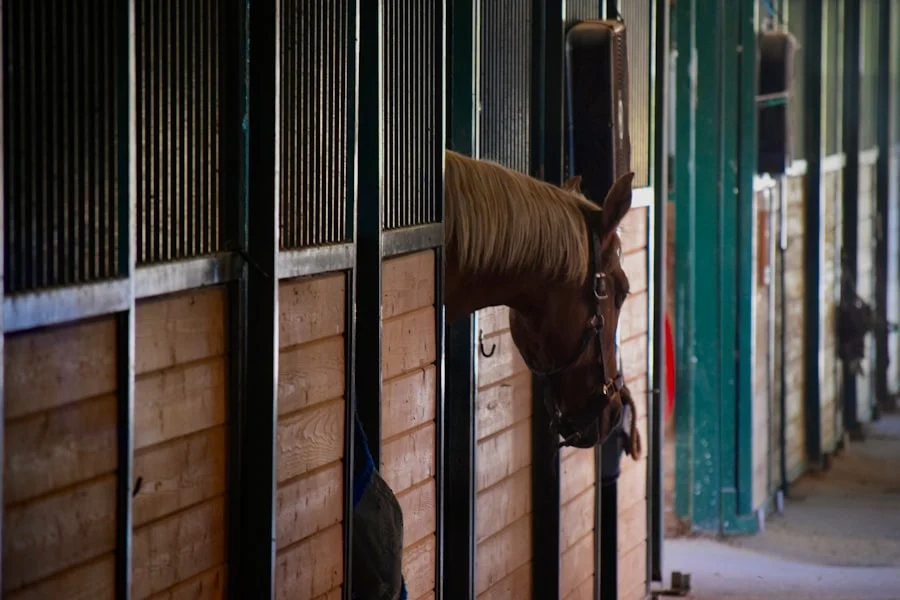
Your introductory lessons will focus heavily on fundamentals, and for good reason. Building a solid foundation is key to safe and enjoyable riding.
Groundwork and Horse Care Basics
Before you even step into the stirrups, you’ll likely learn some essential groundwork. This includes how to approach a horse safely, haltering, leading, tying, and basic grooming. Understanding horse behavior and how to interact with them on the ground is fundamental to building trust and ensuring safety. Don’t underestimate the importance of this phase; it’s where much of the bond starts to form.
Mounting and Dismounting
Sounds simple, right? But learning to mount and dismount smoothly and safely is a skill in itself. You’ll practice this until it becomes second nature, ensuring you can get on and off without startling the horse or putting yourself at risk.
Basic Seat and Balance
Your instructor will guide you on how to sit correctly in the saddle to achieve a balanced and secure position. This involves understanding your center of gravity, keeping your heels down, and maintaining a soft contact with the reins. Initially, you might feel a bit awkward, but with practice, it will become more natural.
Learning to Walk and Halt
Your very first commands as a rider will be to start the horse walking and then bring them to a halt. You’ll learn how to use your legs, seat, and reins effectively to communicate your intentions to the horse. This is where you really start to feel that partnership click into place.
The Importance of Good Communication
Horses don’t understand English, so you’ll learn to communicate through a combination of subtle cues: your seat, legs, hands, and voice. Understanding how to use these aids effectively and consistently is what separates a passenger from a rider. Your instructor will gradually introduce these concepts, breaking them down into manageable pieces.
Overcoming Common Adult Hurdles
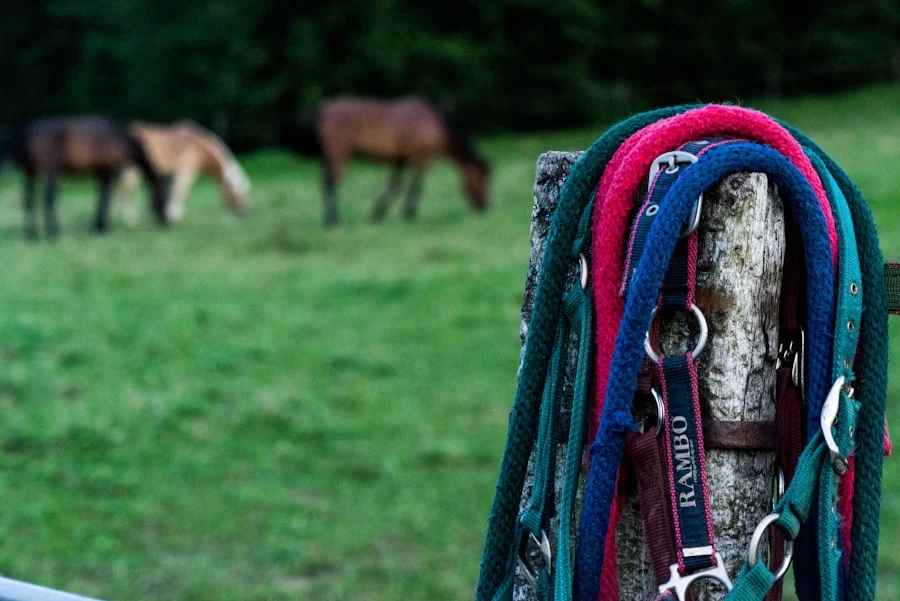
Learning something new as an adult often comes with its own unique set of challenges. Horse riding is no exception, but with awareness and the right mindset, these can be successfully navigated.
Fear and Anxiety
It’s completely normal to feel some apprehension, especially if you’re new to horses or if you’ve had a bad experience in the past. Horses are large, powerful animals, and respect for their size is healthy. However, excessive fear can hinder your learning.
- Acknowledge your feelings: Don’t try to intellectualize away fear. It’s a natural human response.
- Communicate with your instructor: Let them know if you’re feeling nervous. A good instructor is skilled in building confidence and will introduce new concepts gradually.
- Start small: Focus on groundwork and getting comfortable around the horse before rushing into complex riding.
- Trust the horse: Most lesson horses are incredibly forgiving and patient. They’ve done this hundreds of times.
Physical Limitations and Fitness
You don’t need to be an Olympic athlete, but a reasonable level of fitness will certainly help. Many adults worry about not being strong or flexible enough.
- Build core strength: This is crucial for riding. Pilates, yoga, or even simple ab exercises can make a big difference.
- Stretching: Focus on hip flexibility and hamstring stretches.
- Listen to your body: Don’t push yourself too hard, especially in the beginning. You’ll be using muscles you didn’t even know you had. Take breaks and allow for recovery.
- Inform your instructor: If you have any old injuries or physical limitations, discuss them beforehand so they can tailor the lessons appropriately.
Time and Financial Commitments
Horse riding can be a significant commitment, both in terms of time and money. It’s important to be realistic about this.
- Schedule consistency: Regular lessons are more effective than sporadic ones. Try to set a consistent schedule.
- Budgeting: Understand the costs involved – lessons, helmet, boots, and potentially show fees if you progress. Many stables offer lesson packages, which can sometimes be more cost-effective.
- Beyond the lesson: Riding isn’t just about the hour in the saddle. Consider the travel time to the stable and any time you spend before or after your lesson grooming or spending time with the horses.
Impatience and Comparison
As adults, we often want to master things quickly. Learning to ride is a journey, not a race. Comparing yourself to more experienced riders or even younger students can be demotivating.
- Celebrate small victories: Did you finally get that halt exactly right? Did you feel a true connection with the horse? Acknowledge these moments.
- Focus on your own progress: Your journey is unique. Don’t compare your Chapter 1 to someone else’s Chapter 10.
- Patience is key: Developing feel and communication with a horse takes time, repetition, and a lot of patience. Embrace the learning process.
If you’re considering taking adult horse riding lessons, it’s essential to also think about the logistics of transporting your horse. A related article that discusses the differences between various types of horse trailers can provide valuable insights. You can read more about this topic in the article on whether to buy a gooseneck or bumper pull horse trailer by following this link. Understanding your options will help ensure that you have the right setup for your riding journey.
Essential Gear for Adult Riders
| Lesson Type | Duration | Price |
|---|---|---|
| Private Lesson | 1 hour | 60 |
| Group Lesson | 1 hour | 40 |
| Lesson Package (5 lessons) | 5 hours | 275 |
While you don’t need to buy everything at once, there are a few non-negotiable items for safety and comfort.
The Riding Helmet (Non-Negotiable)
This is the most important piece of equipment you will buy. Always wear an ASTM/SEI certified helmet, and ensure it fits snugly and comfortably. Do not skimp on this. Your stable will likely have loaner helmets for your first few lessons, but investing in your own is a wise decision.
Comfortable Riding Boots
You’ll need boots with a defined heel (at least 1 inch) to prevent your foot from slipping through the stirrup. Paddock boots are a popular choice for beginners, often paired with half chaps for calf protection and grip. Western riders will opt for western boots. Avoid sneakers or boots with lug soles that could get stuck in the stirrup.
Comfortable Clothing
Loose, comfortable clothing that allows for a full range of motion is ideal. Think stretchy jeans or specific riding breeches/jodhpurs. Avoid excessively baggy clothing that could get caught on equipment. For your upper half, layers are always a good idea, especially if you’re riding outdoors.
Gloves (Optional, but Recommended)
Riding gloves can help prevent blisters on your hands, improve grip on the reins, and offer a bit of warmth in colder weather. They’re not strictly essential for your very first lessons, but most riders find them beneficial.
Other Accessories (Later On)
As you progress, you might consider things like half chaps (if not using tall boots), a crop or whip (used as an extension of your leg for communication, not for punishment), and eventually your own saddle if you pursue ownership or leasing. But for starting out, focus on the essentials. Your instructor can also provide guidance on what to purchase and when.
Beyond the Lessons: Continuing Your Journey
Learning to ride doesn’t stop when the lesson is over. There are many ways to deepen your understanding and enjoyment of horses and riding.
Consistent Practice
Regular lessons are crucial, but any opportunity you have to spend time around horses and practice your skills – even just grooming or leading – will contribute to your progress. Consistency builds muscle memory and strengthens your bond with the horses.
Watch and Learn
Observing other riders, especially more experienced ones, can be incredibly educational. Pay attention to how they communicate with their horses, their body language, and their overall posture. Attend local horse shows or clinics if possible.
Read and Research
There’s a wealth of information available in books, magazines, and reputable online sources. Learning about horse psychology, conformation, equitation theory, and different riding disciplines can enhance your understanding and appreciation. Just be sure to always vet your sources!
Volunteer at the Stable
Many stables welcome volunteers. This is an excellent way to learn more about horse care, barn management, and generally deepen your involvement without the full commitment of ownership. You’ll gain invaluable hands-on experience and build relationships with stable staff and other riders.
Set Realistic Goals
Whether your goal is to comfortably walk and trot, learn to canter, jump small obstacles, or even participate in local shows, having something to work towards can be very motivating. Discuss your aspirations with your instructor so they can help you create a roadmap for achieving them. Remember, it’s a marathon, not a sprint.
Embracing adult horse riding lessons is an investment in yourself. It’s a journey that offers physical benefits, mental clarity, and the unique joy of partnering with an incredible animal. With the right guidance and a positive attitude, you’ll be well on your way to mastering the art of riding, no matter your age. Go ahead, take that leap – the horses are waiting!