So, you’re looking for a place to board your horse. That’s a big decision, and honestly, it can feel a little overwhelming with so many options out there. You want a place that’s safe, clean, and where your horse will be happy and healthy. Let’s break down what to look for to help you find the best equine boarding facility for you and your four-legged friend.
This is probably the most crucial aspect. Your horse’s well-being hinges on how well the facility prioritizes health and safety. It’s not just about having a pretty barn; it’s about the underlying systems and daily routines.
Barn Condition and Maintenance
Take a good, hard look at the barns themselves. Are they well-maintained?
- Structural Integrity: Are there any loose boards, rusty hinges, or cracked concrete? Signs of wear and tear are normal, but major structural issues are red flags. Look for soundness and a general sense of tidiness. Holes in walls or ceilings can be hazards and create drafts.
- Cleanliness: How clean are the stalls and common areas? While you won’t see a brand-new coat of paint everywhere, there shouldn’t be excessive dust, cobwebs, or evidence of poor sanitation. Frequent mucking out and proper waste disposal are essential.
- Pest Control: Ask about their pest control measures. Rats, mice, and insects can spread disease and create unsanitary conditions. A good facility will have a proactive approach.
Horse Management Protocols
Beyond the physical structures, the day-to-day management is critical.
- Feeding Practices: What kind of feed do they use? Is it high-quality? How often is hay and grain provided? Does your horse have constant access to fresh water? Understand their feeding schedule and amounts. They should be willing to discuss, and ideally accommodate, your horse’s specific dietary needs. This includes storage of feed – it should be kept in rodent-proof containers and away from potential contamination.
- Water Sources: Are the water troughs and automatic waterers clean and functioning properly? Stagnant or soiled water is a major health risk. Ask how often they are cleaned.
- Manure Management: Where and how is manure disposed of? Proper manure management is key to fly control and preventing the spread of parasites and diseases. Is it composted properly or hauled away regularly?
- Emergency Procedures: What happens if your horse gets sick or injured? Do they have a veterinarian on call or a preferred vet they work with? Do they have protocols for emergencies like fires or severe weather? Knowing their plan can ease your mind significantly.
Biosecurity Measures
In today’s world, biosecurity is more important than ever. This is about preventing the spread of diseases between horses.
- Quarantine Policy: Do they have a designated quarantine area for new arrivals or sick horses? This is crucial to stop the introduction and spread of contagious illnesses.
- Visitor Access: How do they manage visitors? While they want to be welcoming, uncontrolled access can bring in pathogens. Do they have policies on where visitors can go and what they can touch?
- Shared Equipment: Do they have strict protocols for cleaning shared equipment like grooming tools or wheelbarrows, especially if it’s used between different groups of horses?
If you’re considering equine boarding facilities, it’s essential to explore various options to find the best fit for your horse’s needs. A great resource for this is the article on the top horse boarding facilities in Ontario, which provides valuable insights and comparisons. You can read more about it here: Top Horse Boarding Facilities in Ontario. This article highlights key features, amenities, and services that can help you make an informed decision for your equine companion.
Evaluating Pasture and Turnout Options
How and where your horse spends their downtime is as important as their stall. Turnout provides physical and mental stimulation that is vital for a horse’s well-being.
Pasture Quality and Management
Not all pastures are created equal.
- Forage Type and Quality: Is the pasture a diverse mix of grasses and legumes, or is it just weeds and dirt? Healthy forage provides essential nutrients. Overgrazed pastures offer little to no nutrition and can be home to parasites.
- Pasture Rotation: Does the facility practice pasture rotation? This allows pastures to rest and recover, which improves forage quality and reduces parasite load.
- Fencing Condition: Are the fences in good repair? Broken fences are a safety hazard and can lead to escapes. Are they appropriate for the horses being housed (e.g., no barbed wire for certain breeds or temperaments)?
Turnout Groupings and Safety
The social dynamics and safety of turnout are significant.
- Group Compatibility: How are horses grouped for turnout? Are they grouped by temperament, age, or herd dynamics? A stable, compatible group is less likely to have injuries from bullying or rough play.
- Turnout Schedule: How much turnout time is standard? Is it consistent? Some horses need more turnout than others, and facilities should be able to discuss flexibility.
- Safe Mounting/Dismounting Areas: Are there designated, safe areas for catching and releasing horses from turnout, especially in inclement weather?
- Water and Shade: Are there reliable water sources and adequate shade in the pastures? This is essential, especially during hot or sunny periods. Excessive sun exposure can lead to heat stress.
Understanding Feed and Hay Programs
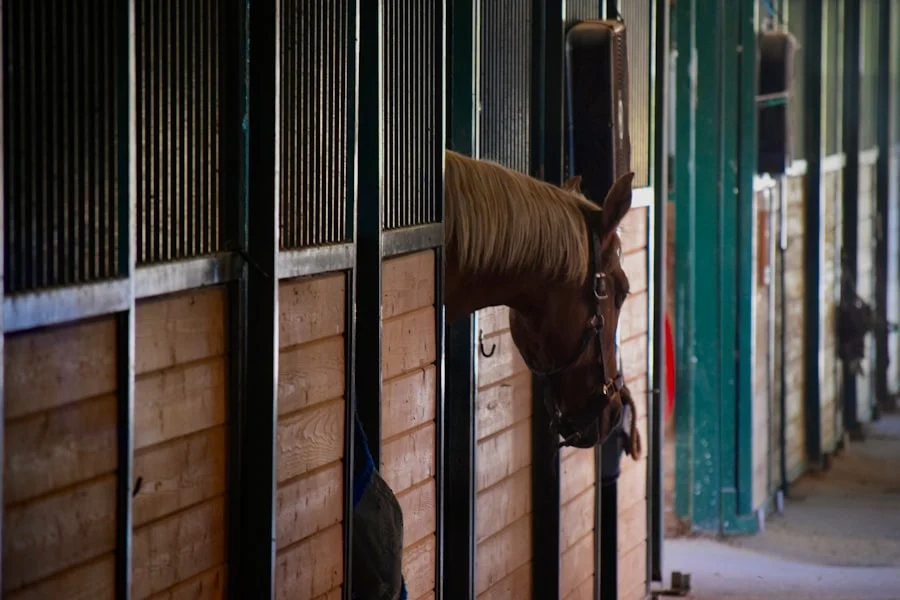
What your horse eats directly impacts their health and performance. A good boarding facility will have a clear and well-managed feeding program.
Hay Quality and Storage
Hay is the cornerstone of most horse diets.
- Type of Hay: What type of hay do they offer (e.g., orchard grass, timothy, alfalfa)? This depends on the horses’ needs, but asking about the primary type fed is reasonable.
- Hay Analysis: Do they have recent hay analyses done? This tells you the nutritional content (protein, energy, vitamins, minerals) of the hay, which is crucial for understanding if it meets your horse’s requirements, especially for performance horses or those with specific dietary needs.
- Storage Conditions: Is the hay stored properly? It should be kept dry, off the ground, and away from pests. Moldy or dusty hay can cause respiratory issues.
Grain and Supplement Protocols
For horses that require additional concentrates or supplements, their management is key.
- Grain Options: What types of grains or commercial feeds are offered? Are they high-quality?
- Customization: Are they able to accommodate your horse’s specific grain or supplement needs if you provide them?
- Feeding Procedures: How is grain fed? Is it in individual stalls to prevent competition? Is the feeding area clean?
- Tracking and Communication: How do they track what each horse receives, especially supplements? Good communication about what is being fed is essential.
Assessing Staff Competence and Availability
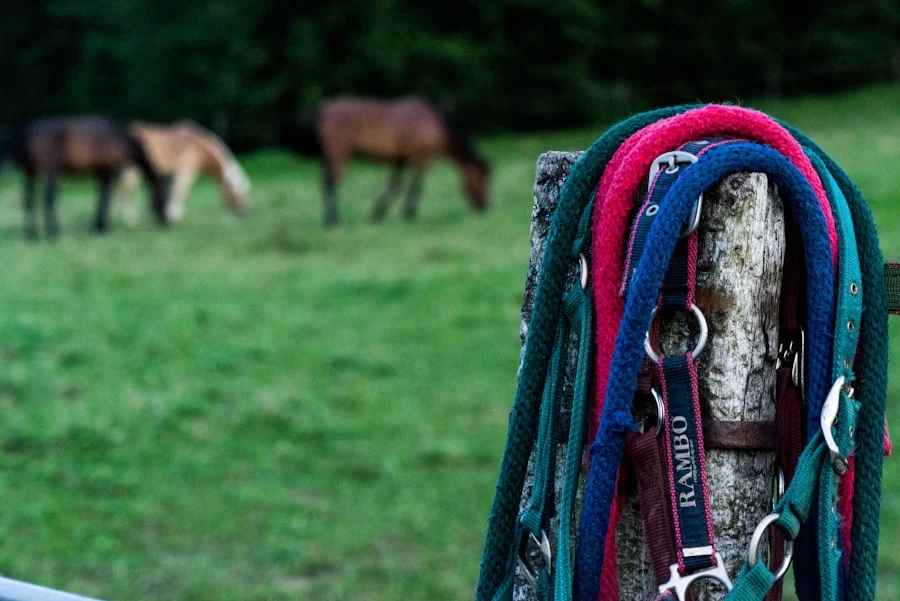
The people who care for your horse are just as important as the facility itself. Competent, attentive staff make all the difference.
Staff Experience and Training
Look for staff who know horses.
- Knowledge of Horse Behavior: Do the staff seem knowledgeable about horse behavior? Can they handle a variety of temperaments safely?
- Experience Level: How long have the staff been working with horses? Do they have formal training or certifications?
- Attentiveness: Do they seem genuinely engaged with the horses and observant of their well-being? Are they noticing subtle changes in behavior or health?
Staff-to-Horse Ratio
The number of horses a staff member is responsible for directly impacts the level of care.
- Workload: It’s difficult to get an exact ratio, but you can gauge by the size of the operation and the number of people you see working. Generally, fewer horses per staff member means more individual attention.
- Daily Tasks: What are the typical daily tasks for the staff? This includes feeding, mucking, blanketing, checking water, and general observation.
Availability and Communication
When you can’t be there, you need to trust the staff.
- Owner/Manager Accessibility: Is the owner or manager easily reachable? Are they responsive to questions and concerns?
- Communication Channels: How do they communicate important information to boarders (e.g., weather updates, unexpected schedule changes)?
- Emergency Contact: Do they have a clear system for contacting you in case of an emergency?
When searching for the ideal equine boarding facility, it’s essential to consider various factors that can impact your horse’s well-being and your peace of mind. A helpful resource that outlines key questions to ask during your search can be found in this article on finding the perfect horse boarding facility. For more insights, you can check out the article here. By being informed and asking the right questions, you can ensure that your horse receives the best care possible.
Understanding Management Philosophy and Community
| Facility Name | Location | Number of Stalls | Indoor Arena | Outdoor Arena |
|---|---|---|---|---|
| Happy Hooves Stables | City A | 20 | Yes | Yes |
| Green Pastures Equestrian Center | City B | 30 | Yes | Yes |
| Golden Acres Horse Farm | City C | 15 | No | Yes |
The overall vibe and how the facility is run can greatly impact your experience.
General Management Style
Every facility has its own approach.
- Proactive vs. Reactive: Does the management seem proactive in preventing problems, or do they tend to address them only when they arise?
- Openness to Feedback: Are they open to boarder input and suggestions? Do they foster a collaborative environment?
- Rules and Regulations: Are the rules clear, fair, and consistently enforced? Overly restrictive or poorly communicated rules can lead to frustration.
Boarder Community and Social Environment
The people you share the facility with can enhance or detract from your experience.
- Atmosphere: What is the general atmosphere among the other boarders? Is it friendly, supportive, and respectful? Or is it cliquey or competitive?
- Shared Responsibilities: Are there any shared responsibilities among boarders (e.g., helping with certain tasks)? If so, how are these managed?
- Events and Activities: Does the facility organize social events or clinics? This can be a great way to build community.
Facility’s Training and Riding Opportunities
If you plan to ride at the facility, consider what they offer.
- Arena Conditions: Are the arenas well-maintained? Are they adequately lit if you plan to ride at night? What types of footing do they have?
- Trail Access: If there are trails, what is their condition? Are they safe and accessible?
- Training Services: If you use a trainer who isn’t based at the facility, are there any restrictions or extra fees?
Finding the right boarding facility is an investment in your horse’s happiness and your own peace of mind. Take your time, ask plenty of questions, and trust your gut instinct. A good match means more than just a place to keep your horse; it means finding a partner in their care.