
When you’re a horse owner, keeping your equine friend healthy is a top priority. But what exactly does tending to their well-being entail, and what’s the role of an equine vet in all of this? Essentially, caring for your horse’s health is a proactive partnership between you and your veterinarian to prevent problems, catch issues early, and manage any conditions they might develop throughout their life. It’s about understanding their normal, knowing what to look out for, and having a reliable professional to call when something seems off.
Before you can spot when something’s wrong, you need to get a good feel for what’s right. This means observing your horse regularly so you know their typical behaviors, physical appearance, and responses to everyday things.
Daily Observations: More Than Just Looking
It sounds simple, but truly watching your horse every day can reveal a lot. Are they bright and alert, or a bit dull? Are they eating and drinking normally? Is their manure consistent? Are they moving freely and without stiffness? These small details are your first line of defense.
Vital Signs: The Numbers Game
Knowing your horse’s normal vital signs is surprisingly easy and incredibly useful.
- Temperature: A healthy horse’s temperature usually hovers around 99-101.5°F (37.2-38.6°C). You’ll need a digital rectal thermometer for this, ideally a dedicated one just for your horse. It’s not as daunting as it sounds, and your vet can show you how.
- Pulse: You can feel a horse’s pulse at the mandibular artery (under the jaw bone) or on the pastern (where the hoof meets the leg). A resting pulse for an adult horse is generally 28-40 beats per minute, though this can vary with fitness and excitement.
- Respiration: Watch their flanks to count breaths when they are relaxed. A resting horse usually breathes 12-20 times per minute. An elevated rate can indicate pain, stress, or illness.
Behavioral Cues: What is Your Horse Telling You?
Horses communicate a lot through their body language. Learning to read these cues will help you understand their mood and comfort levels.
- Ear Position: Forward ears usually mean interest, pinned ears suggest anger, and relaxed ears might mean they are content or sleepy.
- Head Carriage: A high head might indicate anxiety or wariness, while a low head can signify relaxation or fatigue.
- Tail Swishing: A gentle swish is often for fly control, but rapid, agitated swishing can signal irritation, discomfort, or anxiety.
- Stance: A normal stance is balanced and relaxed. Shifting weight from one leg to another or standing with a leg cocked can suggest lameness or discomfort.
Appetite and Thirst: Key Indicators
Changes in eating and drinking habits are often early signs of trouble. A sudden decrease in appetite or refusal to drink can be significant. Conversely, excessive drinking might also be a cause for concern.
For those interested in learning more about the American Quarter Horse and its unique characteristics, you might find this article on the breed particularly informative. It covers various aspects of the American Quarter Horse, including its history, traits, and suitability for different equestrian disciplines. To explore this topic further, visit the article here: The American Quarter Horse.
The Equine Veterinarian: Your Health Partner
Your equine veterinarian isn’t just for emergencies; they are your primary partner in maintaining your horse’s health. Building a good relationship with a vet you trust is crucial.
Routine Check-ups: Prevention is Key
Think of these visits as tune-ups for your horse. They allow the vet to assess overall health, catch subtle issues before they become major problems, and provide tailored advice.
- Annual or Bi-Annual Exams: Depending on your horse’s age, health status, and workload, your vet will recommend a schedule for these comprehensive physicals. This includes listening to heart and lungs, checking teeth, assessing skin and coat, and observing movement.
- Vaccination Programs: Your vet will create a vaccination schedule based on your horse’s risk factors, geographic location, and lifestyle. This protects them from common and serious diseases.
- Deworming Strategies: Instead of blanket treatments, modern parasite control focuses on fecal egg counts to identify horses that need deworming, making it more effective and reducing the risk of resistance.
When to Call the Vet: Beyond the Obvious
While obvious signs of illness or injury warrant an immediate call, there are also more subtle indicators that should prompt you to reach out.
- Subtle Changes in Behavior: If your horse seems “off” – less interactive, more withdrawn, or just not their usual self – it’s worth a call to your vet.
- Slight Lameness: Even mild limping can indicate an underlying issue that needs attention before it worsens.
- Changes in Vital Signs: If you’ve been monitoring their temperature or pulse and notice a persistent, unexplained elevation, don’t hesitate to call.
Common Health Concerns and Their Management
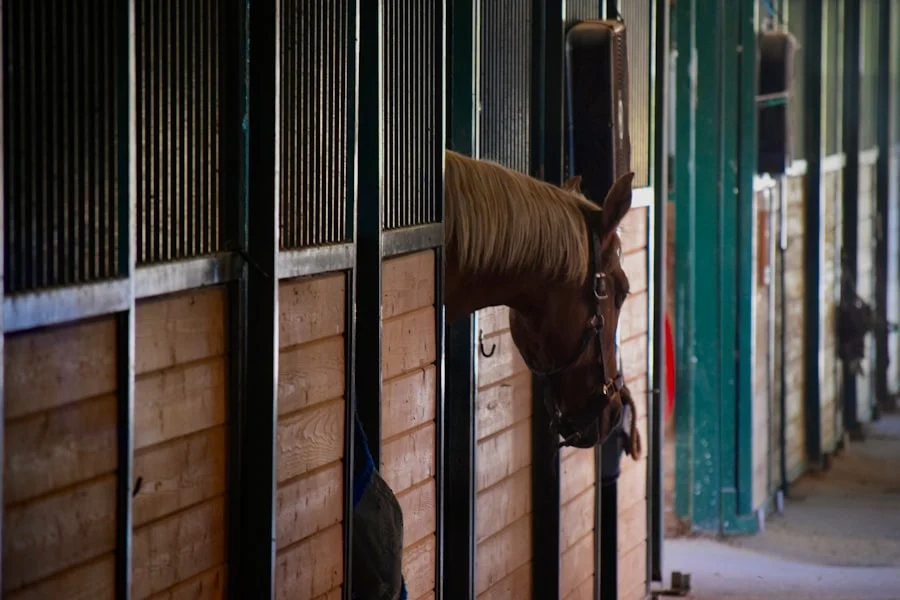
Horses, like all animals, are susceptible to various health issues. Understanding these common problems can help you recognize symptoms and work with your vet to manage them effectively.
Digestive Health: The Sensitive System
A horse’s digestive system is complex and prone to disruptions.
- Colic: This is a broad term for abdominal pain in horses and is a common emergency. It can be caused by gas, impaction (blockage), twists, or other issues. Symptoms include pawing, rolling, looking at their flanks, and sweating.
- Gastric Ulcers: Often seen in performance horses, these can cause poor appetite, weight loss, and, in severe cases, colic. Diet and stress management play a role, alongside medical treatment.
- Diarrhea: While sometimes a mild, transient issue, persistent diarrhea can be a sign of serious problems like infections or internal damage.
Lameness and Musculoskeletal Issues: Keeping Them Moving
Lameness is a frequent concern for horse owners, impacting their ability to perform and their overall comfort.
- Arthritis: A degenerative joint disease that can cause stiffness and pain, especially in older horses or those with a history of hard work. Management often involves joint supplements, pain relief, and controlled exercise.
- Tendon and Ligament Injuries: Common in athletic horses, these injuries require careful rest and rehabilitation. Early diagnosis and appropriate treatment are crucial for successful recovery.
- Hoof Problems: Issues like thrush (a bacterial infection in the frog), abscesses, and laminitis (a serious inflammation of the hoof laminae) require prompt attention from both the farrier and the veterinarian.
Respiratory Issues: Breathing Easy
Horses can suffer from various respiratory problems, which can impact their performance and well-being.
- Heaves (Recurrent Airway Obstruction – RAO): This is an allergic respiratory condition similar to asthma in humans, often triggered by dust and mold. Management involves environmental changes and sometimes medication.
- Infections: Bacterial or viral infections can affect the upper or lower respiratory tract, requiring diagnosis and treatment by your vet, potentially including antibiotics or anti-inflammatories.
Dental Care: More Than Just Chewing
A horse’s teeth play a vital role in their digestion and overall health and require regular attention.
- Regular Dental Exams: Horses’ teeth grow continuously and can develop sharp points, hooks, or waves that interfere with chewing and can cause pain. Your vet or a qualified equine dentist should examine your horse’s teeth at least annually, or more often if needed.
- Floating: This is the process of filing down sharp enamel points. It’s a common procedure that significantly improves a horse’s comfort and ability to eat properly.
- Wolf Teeth: These small, vestigial teeth can cause problems, especially when a bit is used, and are often removed.
Wound Care and First Aid: Be Prepared
Accidents happen, and knowing how to provide basic first aid and when to seek veterinary help for wounds is essential.
Assessing Wounds: What to Look For
When your horse gets a cut or scrape, the first step is to assess its severity.
- Location: Wounds in certain areas, like over joints or on the face, can be more complex.
- Depth and Size: Is it superficial, or does it appear deep and involve muscle or bone?
- Bleeding: Is it actively bleeding profusely, or is it a slow ooze?
- Contamination: Is there debris in the wound?
Basic First Aid: What You Can Do
Before the vet arrives (or if it’s a minor injury), you can take some immediate steps.
- Cleanliness: Gently clean the area with clean water to remove any obvious debris. Avoid harsh antiseptics unless advised by your vet.
- Control Bleeding: Apply gentle pressure with a clean cloth or gauze if there’s significant bleeding.
- Keep it Calm: Try to keep your horse still and prevent them from further injuring themselves.
- Documentation: Take photos of the wound to share with your vet.
When to Call the Vet for Wounds: The Red Flags
Some wounds require immediate professional attention.
- Deep or Lacerating Wounds: If you can see fat, muscle, or bone, or if the edges are far apart.
- Wounds Over Joints or Tendons: These can have serious implications for long-term soundness.
- Severe Bleeding: Persistent or profuse bleeding that you can’t control.
- Signs of Infection: Swelling, heat, pus, increased pain, or foul odor.
- Puncture Wounds: Especially those from nails or sharp objects, as they can carry bacteria deep into tissues.
When searching for the ideal equine veterinarian, it’s essential to consider various factors that can impact your horse’s health and well-being. A helpful resource on this topic can be found in an article that discusses key questions to ask when selecting a horse boarding facility. This article provides valuable insights that can aid in making informed decisions about your horse’s care. For more information, you can read the article here: 15 Must-Ask Questions for Finding the Perfect Horse Boarding Facility.
Nutritional Support and Management
| Metrics | Data |
|---|---|
| Number of Equine Veterinarians | 10,000 |
| Average Annual Income | 90,000 |
| Equine Veterinary Clinics | 500 |
| Equine Health Check-ups per Year | 2,000,000 |
What you feed your horse directly impacts their health and well-being. Working with your vet on a feeding plan is crucial.
Balancing the Diet: It’s Not One-Size-Fits-All
A horse’s dietary needs vary significantly based on age, breed, workload, and health status.
- Forage First: High-quality hay or pasture should be the cornerstone of any horse’s diet. It provides essential fiber for digestive health.
- Concentrates: Grains or commercial feeds are used to supplement energy and nutrients when forage alone isn’t sufficient, particularly for performance horses or those with higher needs. Your vet can help you choose the right type and amount.
- Supplements: While not always necessary, specific supplements might be recommended by your vet to address deficiencies or support particular health goals, such as joint health or skin condition.
Hydration: The Unsung Hero
Access to clean, fresh water is non-negotiable for a horse’s health.
- Constant Availability: Ensure your horse has access to water 24/7.
- Adequacy: Monitor how much your horse is drinking, especially in hot weather or after strenuous exercise.
- Water Quality: Ensure water troughs and buckets are cleaned regularly.
The Role of Your Equine Vet in Nutrition
Your vet can be an invaluable resource for dietary advice. They can help you:
- Assess your horse’s body condition score (BCS) to determine if they are too fat, too thin, or just right.
- Evaluate the quality of your hay and pasture.
- Recommend specific feed types and quantities based on your horse’s individual needs.
- Identify potential dietary imbalances or deficiencies.
- Advise on managing conditions like metabolic syndrome or PSSM through diet.
Taking a hands-on, observant approach to your horse’s health, coupled with a strong partnership with your equine veterinarian, is the most effective way to ensure your equine companion lives a long, happy, and healthy life. It’s an ongoing journey of learning, observing, and making informed decisions together.