Equine-assisted therapy, often called simply horse therapy, is a powerful approach that uses horses to help people heal and grow. It’s not about riding horses, though that can be part of it. Instead, it’s about building a connection with these incredible animals to address a range of physical, emotional, and cognitive challenges. Think of it as a partnership, where the horse’s natural instincts and your therapeutic journey come together to create meaningful change. The core idea is simple: the horse acts as a catalyst, offering a unique way to experience and process difficult emotions, develop new skills, and improve overall well-being.
Horse therapy, also known as Equine-Assisted Psychotherapy (EAP) or Equine-Facilitated Mental Health (EFMH), goes beyond just being around horses. It’s a collaborative effort between a trained therapist (often a licensed mental health professional or a certified equine specialist) and a horse. The sessions are designed to help individuals explore specific goals, whether they’re dealing with anxiety, depression, trauma, developmental disorders, or even just seeking personal growth.
It’s More Than Just Riding
This is a common misconception. While horseback riding can be incorporated into some equine programs, true equine therapy focuses on the interactions on the ground, with the horse usually unrestrained. This allows for a more direct and observable relationship between the client and the horse. It’s about grooming, leading, walking alongside, and simply being present with the animal.
The Role of the Equine Specialist
You’ll typically work with a team. This usually includes a licensed therapist who guides the psychological aspects of the sessions and an equine specialist who understands horse behavior and ensures the safety and well-being of both the horse and the client. This partnership is crucial for effective and safe therapy.
Goals You Can Expect to Address
The goals of horse therapy are as varied as the individuals who participate. They can range from improving communication skills and self-esteem to processing past traumas and managing emotional regulation. It’s a flexible modality that can be tailored to a wide spectrum of needs.
Equine horse therapy has gained recognition for its therapeutic benefits, particularly in promoting mental health and emotional well-being. For those interested in exploring related topics, the article on stall watering for horses discusses essential care practices that contribute to the overall health of these animals, which is crucial for effective therapy sessions. You can read more about it here: Stall Watering for Horses: Proven Methods.
Beneath the Surface: How Horses Facilitate Healing
Horses are incredibly intuitive creatures. They are prey animals, meaning they are highly sensitive to their environment and the emotions of those around them. This sensitivity is what makes them such powerful therapeutic partners. They don’t judge, they don’t have hidden agendas, and they respond authentically to the energy and intentions projected towards them.
The Mirror Effect: Horses Reflecting Your Inner World
Horses are masters at mirroring. If you are feeling anxious, a horse might become agitated or withdrawn. If you are projecting confidence, a horse might respond with curiosity and engagement. This immediate and honest feedback from the horse can be a profound learning experience, helping you to recognize and understand your own emotional states and behaviors in a way that words alone might not achieve. It bypasses the intellectual defenses that can sometimes block progress in traditional therapy.
Building Trust and Connection
The process of earning a horse’s trust and building a connection is central to equine therapy. Horses are large and powerful animals, and for someone who may struggle with trust issues or have experienced betrayal, the gradual process of building rapport with a horse can be incredibly healing. It teaches patience, consistency, and the rewards of vulnerability.
Non-Verbal Communication Skills
Much of the interaction with a horse is non-verbal. Learning to communicate effectively with a horse through body language, tone of voice, and gentle touch can significantly improve your non-verbal communication skills in your human relationships. This is particularly beneficial for individuals who struggle with verbal expression or social cues.
Grounding and Mindfulness
Being in the presence of a horse often requires you to be present in the moment. The sheer size and power of the animal can draw your attention away from racing thoughts and worries, grounding you in the here and now. This can be a powerful antidote to anxiety, stress, and rumination. The rhythmic nature of grooming or walking with a horse can also have a calming, almost meditative effect.
Addressing Specific Challenges: Who Can Benefit?
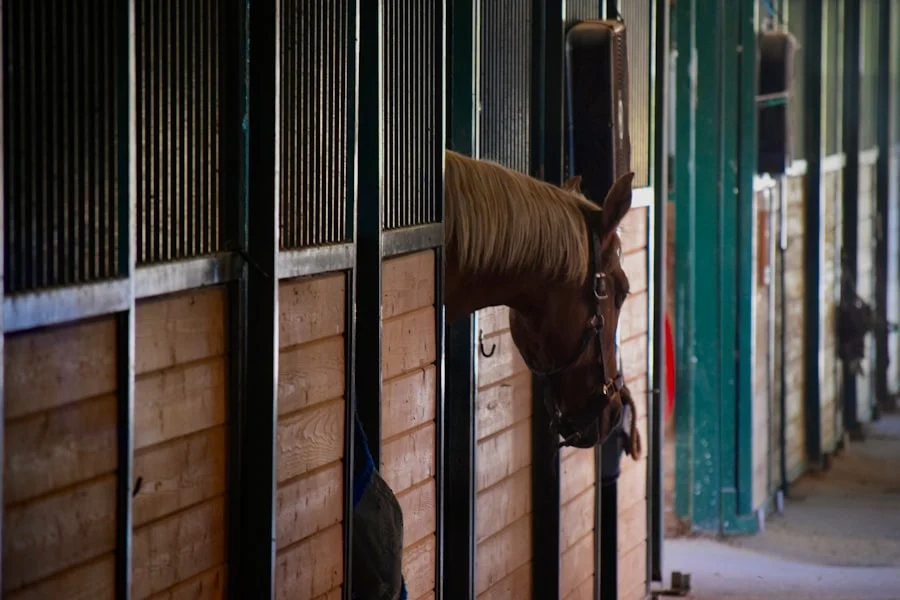
The beauty of equine therapy lies in its versatility. It’s not limited to a single diagnosis or issue. Many different populations and individuals facing a wide array of challenges have found significant benefit.
Mental Health Goals
This is perhaps the most widely recognized application of equine therapy. It’s highly effective for:
Anxiety and Depression
The calming presence of horses, combined with the focus required for interaction, can reduce feelings of anxiety and combat the lethargy often associated with depression. The sense of accomplishment from successfully interacting with a horse can boost mood and self-esteem.
Trauma and PTSD
For individuals who have experienced trauma, particularly those who struggle with verbalizing their experiences, horses can offer a safe and non-judgmental space to process difficult emotions. The gentle rhythmic movements of grooming or walking, and the horse’s sensitive responses, can help clients to release pent-up emotions and regain a sense of control.
Emotional Regulation
Learning to manage one’s emotions is a core component of many therapeutic journeys. Horses react to emotional states instantly. Learning to recognize and manage your own triggers and responses to a horse’s reactions can translate directly into improved emotional regulation in everyday life.
Self-Esteem and Confidence
Successfully engaging with a large, powerful animal can be a significant confidence booster. Overcoming challenges, building trust, and mastering new skills in the equine environment can profoundly impact a person’s sense of self-worth.
Other Therapeutic Applications
The benefits extend beyond traditional mental health:
Developmental Disorders (e.g., Autism Spectrum Disorder)
For individuals on the autism spectrum, horses can provide a predictable and supportive environment. Working with horses can improve social interaction, communication (both verbal and non-verbal), and sensory integration. The predictable routines and clear cues from a horse can be less overwhelming than complex social interactions.
Behavioral Challenges
Equine therapy can be particularly effective for adolescents and children with behavioral issues. The structure, clear expectations, and consequences inherent in working with horses can help individuals develop self-discipline, responsibility, and impulse control.
Physical Rehabilitation
In some cases, equine therapy can also be incorporated into physical rehabilitation programs. The rhythmic movement of the horse can help improve balance, coordination, and core strength. This is often referred to as Hippotherapy, a specific form of therapy using the horse’s movement.
The Mechanics of a Session: What to Expect
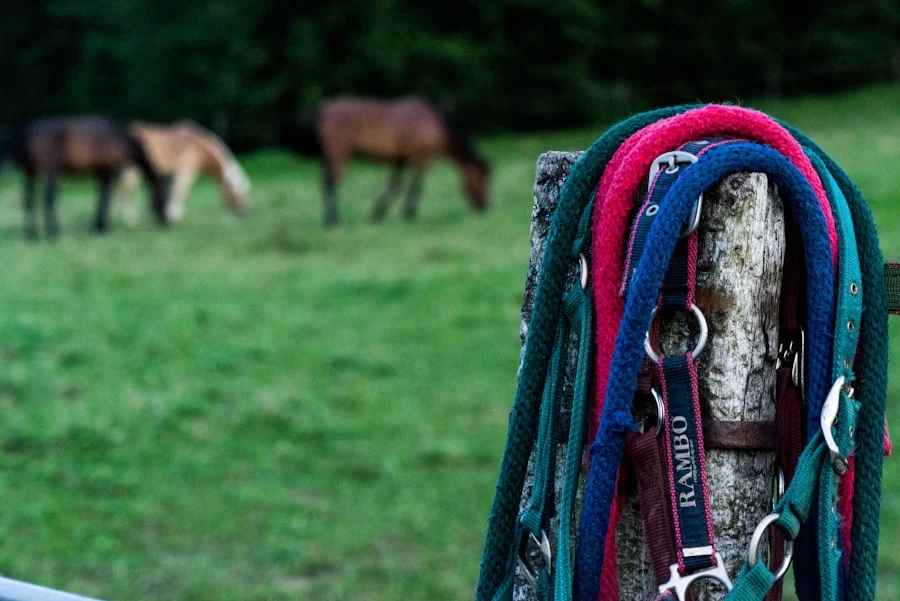
No two equine therapy sessions are exactly alike, but there are common threads that weave through them. The specific activities will be tailored to your individual needs and goals, and will always be conducted with safety and your well-being as the top priority.
The Initial Assessment
Before diving into activities, your therapist will likely conduct an assessment to understand your history, goals, and any specific concerns you have. This helps them to select the right horse and design a session that is most beneficial for you.
Ground-Based Exercises
The majority of the work happens on the ground. You might be asked to:
Grooming and Leading
This involves getting to know the horse, learning to groom them safely, and practicing leading them around an enclosed area. These tasks teach responsibility, attention to detail, and gentle leadership. The act of grooming itself can be very calming and sensory.
Obstacle Courses
You might navigate the horse (or yourself, with the horse present) through simple obstacle courses. This encourages problem-solving, communication, and following instructions. It can also highlight how you approach challenges and adapt to new situations.
Paddock Games and Interactions
Activities might include simply observing the horse, encouraging it to move in certain ways, or sharing a space with it. These interactions reveal your comfort levels, your ability to set boundaries, and how you respond to the horse’s cues.
Observing Horse Behavior
A significant part of the learning process involves observing and interpreting the horse’s behavior. Your therapist will guide you in understanding what the horse’s body language might be communicating, and how that relates to your own actions or emotional state.
Role-Playing and Metaphors
Sometimes, the interactions with the horse are used as metaphors for your life experiences. If you struggle with asserting yourself, the horse’s behavior might be used to explore situations where you find it difficult to stand up for yourself.
Equine horse therapy has gained recognition for its therapeutic benefits, particularly in improving mental health and emotional well-being. A fascinating article that delves deeper into this subject can be found at Liv Stables, where the various ways in which horses can aid in healing are explored. This innovative approach not only helps individuals build trust and confidence but also fosters a unique bond between humans and horses, making it a valuable resource for those seeking alternative therapy options.
Safety and Ethical Considerations
| Therapy Center | Location | Number of Horses | Therapists |
|---|---|---|---|
| Hope Ranch | California | 15 | 5 |
| Healing Hooves | Texas | 10 | 3 |
| Freedom Ride | Florida | 20 | 7 |
The safety and well-being of both the client and the horse are paramount in equine therapy. Reputable programs adhere to strict ethical guidelines and prioritize a secure and comfortable environment for all involved.
Qualified Professionals
As mentioned, you should always seek out programs led by credentialed and experienced professionals. This includes licensed therapists with specialized training in equine-assisted therapy and experienced equine specialists who understand horse behavior intimately.
Horse Welfare
Ethical equine therapy programs ensure that the horses are well-cared for, healthy, and appropriately trained for therapeutic work. The horses are not forced into any activities they resist, and their welfare is always the primary concern. They are partners, not tools.
Client Safety Protocols
Rigorous safety protocols are in place, including proper tack, a secure environment, and trained staff to supervise all interactions. Clients are educated on safe handling practices, and activities are always adapted to the individual’s physical and emotional capacity.
Confidentiality
Like any therapeutic setting, confidentiality is a cornerstone of equine therapy. Your personal information and your progress in therapy will be kept private, adhering to professional ethical standards.
Equine-assisted therapy offers a unique and profoundly effective pathway to healing and personal growth. By harnessing the innate qualities of horses – their sensitivity, authenticity, and capacity for connection – individuals can explore their inner worlds, develop essential life skills, and forge a path toward greater well-being. It’s a journey that’s as rewarding as it is transformative.