So, what’s all the fuss about horses helping us heal? In a nutshell, Equine Facilitated Therapy (EFT) isn’t just about riding. It’s a powerful approach that uses the unique qualities of horses to help people work through emotional, psychological, and even physical challenges. Think of it as a facilitated interaction with these magnificent animals, guided by a trained professional, to achieve therapeutic goals. It taps into something ancient and deeply human, offering a path to self-discovery and healing that traditional talk therapy sometimes can’t quite reach.
At its core, Equine Facilitated Therapy encompasses a range of therapeutic interventions where horses are integral to the process. It’s not just a trend; it’s a field with growing research and a rich history. The “facilitated” part is key – it’s not simply throwing someone on a horse and hoping for the best. Instead, a qualified mental health professional or equine specialist works alongside the client and the horse, designing activities and interpreting interactions to help the client gain insights and develop new skills.
More Than Just Riding
Many people associate “horse therapy” with therapeutic riding, which focuses on the physical benefits of riding for individuals with disabilities. While incredibly valuable, EFT is a broader umbrella. It often involves ground-based activities like grooming, leading, or simply being present with the horse. The magic happens in these interactions, as horses, being highly intuitive and non-judgmental, reflect our inner emotional states with remarkable accuracy.
A Reflective Mirror
Imagine yourself in a situation where your anxiety is high. A horse might pick up on your unease and become skittish, mirroring your internal state. This immediate, unfiltered feedback loop can be incredibly insightful for a client. It’s like having a living, breathing biofeedback machine, showing you in real-time how your emotions and behaviors impact others, even an animal. This nonverbal communication is a cornerstone of EFT.
Equine facilitated therapy has gained recognition for its therapeutic benefits, particularly in promoting mental health and emotional well-being. A related article that explores the importance of a healthy environment for retired horses is available at this link: Grassy Paddocks: The Key to a Happy and Healthy Retired Horse. This article highlights how proper care and a suitable living space can enhance the overall quality of life for horses, which in turn can positively influence their interactions in therapeutic settings.
Why Horses? Unpacking Their Unique Contributions
You might wonder, why horses specifically? Why not, say, very calm dogs or even goats? While other animals certainly offer therapeutic benefits, horses bring a specific set of characteristics to the table that make them uniquely suited for this work.
Masters of Nonverbal Communication
Horses are prey animals, meaning their survival depends on being acutely aware of their surroundings and the nuances of nonverbal cues. They read body language, energy, and intent with incredible precision. This makes them exceptional teachers for humans who struggle with communication, self-awareness, or emotional regulation. If you’re feeling anxious, a horse might sense it and become wary. If you’re calm and confident, the horse is more likely to respond positively. This direct feedback helps clients become more attuned to their own nonverbal signals and how they project themselves.
Natural Herds and Social Dynamics
Being herd animals, horses have a strong social structure. They understand boundaries, leadership, and cooperation. This translates beautifully into therapeutic settings where clients might be exploring issues around trust, communication, relationships, or assertiveness. Learning to build a trusting relationship with a horse, to lead it calmly, or to understand its needs within the herd can be powerful metaphors for human relationships.
Large, Powerful, Yet Gentle
The sheer size and strength of a horse can be intimidating, and that’s often part of the therapeutic value. Interacting safely and effectively with such a large animal can build confidence, self-efficacy, and a sense of mastery that can carry over into other areas of a client’s life. Yet, horses are also incredibly gentle and sensitive creatures. This paradox—power combined with gentleness—makes them ideal partners for exploring vulnerability and strength.
Living in the Present Moment
Horses live entirely in the present moment. They don’t dwell on past perceived slights or worry about future anxieties. This “here and now” presence can be incredibly grounding for individuals who struggle with rumination, anxiety, or past trauma. Being with a horse, focusing on the immediate interaction, can help clients practice mindfulness and reconnect with the present.
What Kinds of Problems Can EFT Address?
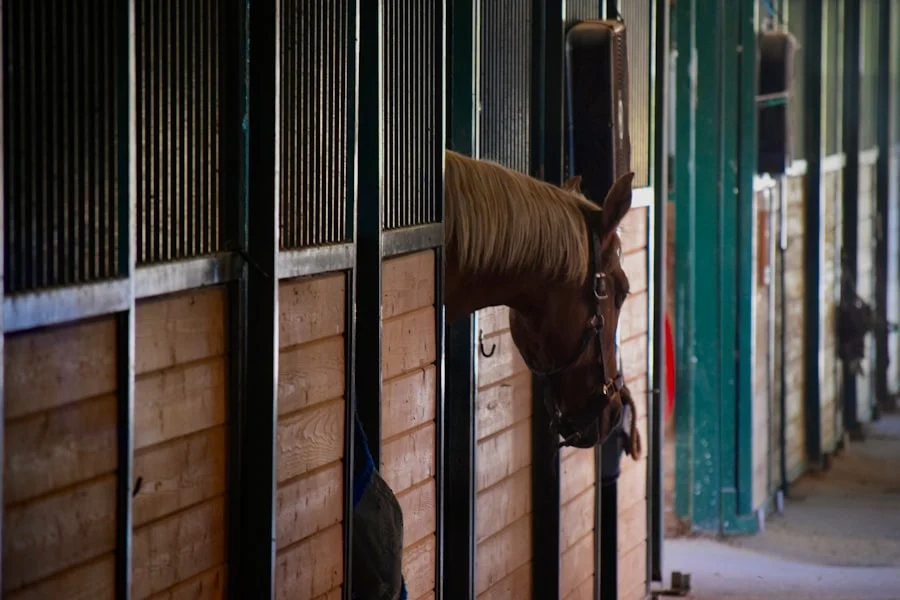
Equine Facilitated Therapy is a versatile approach that can be tailored to a wide range of needs. It’s not a one-size-fits-all solution, but its flexibility allows it to be effective for various demographics and challenges.
Mental Health Challenges
This is perhaps the most widely recognized application of EFT. It’s proven beneficial for individuals dealing with:
- Anxiety and Depression: The calming presence of horses, combined with the focus required for interaction, can reduce symptoms of anxiety and improve mood. The sense of accomplishment from working with a horse can also boost self-esteem.
- Trauma and PTSD: For those who have experienced trauma, traditional talk therapy can sometimes feel re-traumatizing. EFT offers a non-confrontational, experiential approach. Horses, as sensitive prey animals, understand fear and trust, making them ideal partners for rebuilding a sense of safety and connection.
- Eating Disorders: Issues around control, body image, and self-worth are common in eating disorders. Working with horses can provide a sense of control in a safe environment, challenge perfectionism, and foster a more positive self-image through successful interactions.
- Addiction and Substance Abuse Recovery: EFT can help individuals in recovery develop coping mechanisms, build self-trust, and explore triggers in a safe, judgment-free space. The responsibility of caring for a horse can also provide purpose and structure.
Developmental and Behavioral Issues
EFT offers unique benefits for children and adolescents facing developmental and behavioral challenges.
- Autism Spectrum Disorder (ASD): The predictable, nonverbal communication of horses can be very comforting for individuals with ASD. The sensory input from grooming and riding can also be beneficial, and the bond formed with a horse can improve social interaction skills.
- ADHD: The structured activities in EFT require focus, attention, and impulse control, which can be immensely helpful for individuals with ADHD. The physical activity also provides an outlet for excess energy.
- Oppositional Defiant Disorder (ODD) and Conduct Disorder (CD): Learning to respect an animal’s boundaries, follow instructions, and manage frustration respectfully are all skills developed in EFT that can be transferable to other relationships and settings.
Relationship and Social Skills Difficulties
Because horses are inherently social creatures, interactions with them can illuminate patterns in human relationships.
- Communication Skills: Learning to communicate clearly and effectively with a horse, using both verbal cues and body language, directly translates to improved human communication.
- Boundary Setting: Horses are excellent teachers of boundaries. If you’re not clear with your intentions or respectful of their space, they’ll let you know. This immediate feedback helps clients understand and practice healthy boundary setting.
- Trust and Empathy: Building trust with a horse requires patience, consistency, and empathy. These are vital skills that clients can then apply to their human relationships.
What Does an EFT Session Look Like?
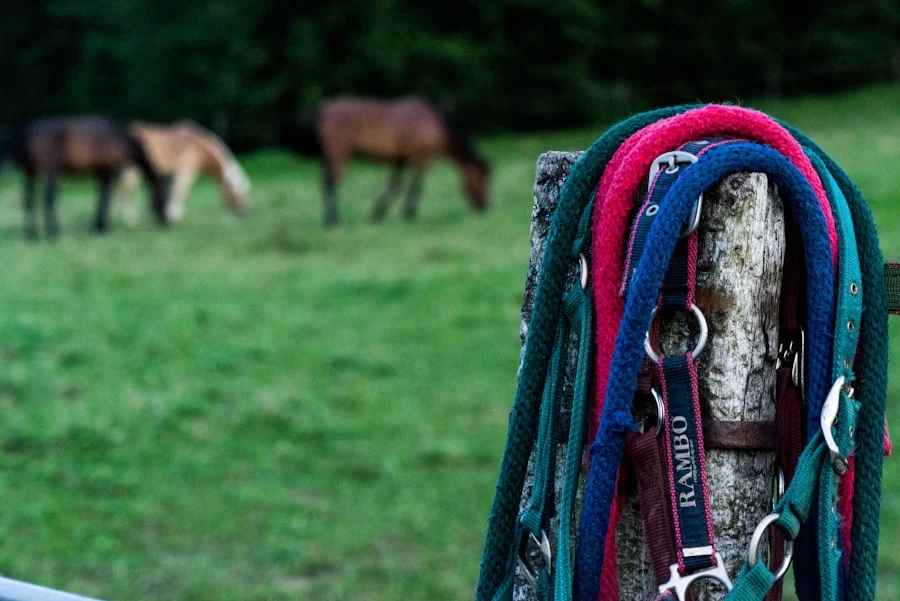
Forget the image of lying on a couch. EFT sessions are dynamic and often happen outdoors in an arena or paddock. The exact structure will vary depending on the client’s needs, the goals of the therapy, and the specific model of EFT being used.
The Team Approach
Typically, an EFT session involves a client, a horse, an equine specialist (who is knowledgeable about horse behavior and safety), and a mental health professional (such as a therapist, psychologist, or social worker). Sometimes, especially in early sessions, the mental health professional might also be the equine specialist.
Ground-Based Activities First
Often, sessions begin with ground-based activities. These might include:
- Observation: Simply watching the horses in their natural environment can provide valuable insights into herd dynamics, individual personalities, and nonverbal communication. The therapist might prompt the client to notice certain behaviors and reflect on what they observe.
- Grooming: This seemingly simple task can be incredibly therapeutic. It involves gentle touch, focus, and a sense of responsibility. It can help clients regulate their emotions, practice mindfulness, and build a connection with the horse.
- Leading or Haltering: Learning to halter and lead a horse requires clear communication, confidence, and respect. It’s a powerful metaphor for setting boundaries, taking initiative, and leading oneself in life.
- Obstacle Courses: Designing and navigating an obstacle course with a horse (often on the ground) requires problem-solving, planning, and communication. It can highlight patterns of behavior, such as procrastination, frustration, or collaboration.
Mounted Activities (Sometimes)
While many effective EFT interventions are ground-based, some may include riding, especially if it aligns with the client’s goals. Therapeutic riding, which focuses more on physical benefits and skill development, is distinct but can complement EFT. In EFT, riding might be used to address issues of control, trust, fear, or vulnerability in a direct, embodied way.
Processing and Reflection
Crucially, every interaction with the horse is followed by a processing phase with the mental health professional. This is where the “therapy” truly happens. The therapist will guide the client in exploring:
- What happened: A factual recounting of the interaction.
- How they felt: Emotional responses during the activity.
- What they learned: Insights gained about themselves, their patterns, or their relationships.
- How this relates to their life outside of the session: Connecting the equine experience to real-world challenges and goals.
This reflective component is what distinguishes EFT from merely interacting with animals; it’s about making meaning from the experience and applying those lessons to personal growth.
Equine facilitated therapy has gained recognition for its therapeutic benefits, particularly in helping individuals with mental health challenges. For those interested in understanding more about the broader context of equine activities, a related article provides valuable insights into horse boarding and care. You can explore this topic further by visiting this link, which addresses frequently asked questions about horse boarding in Ontario. This resource can enhance your understanding of how equine environments contribute to therapeutic practices.
Finding a Qualified Practitioner: What to Look For
| Therapy Center | Location | Number of Horses | Therapists |
|---|---|---|---|
| Hope Equestrian | California | 10 | 5 |
| Healing Hooves | Texas | 8 | 3 |
| Equine Reflections | Florida | 12 | 6 |
Since EFT is a powerful modality, it’s essential to work with qualified professionals. The field has grown, and with that comes the importance of knowing what credentials to seek out.
Dual Expertise is Key
A good EFT program will typically have a team or an individual who possesses dual expertise:
- Mental Health Professional: This individual should be a licensed therapist, counselor, social worker, or psychologist with specific training in equine-assisted psychotherapy. They understand therapeutic principles, ethical guidelines, and how to facilitate change in clients.
- Equine Specialist: This person possesses a deep understanding of horse behavior, safety, handling, and care. They are skilled at observing the nuances of horse-client interactions and ensuring the well-being of both.
Reputable Certifications and Associations
Look for practitioners associated with established organizations that set standards for ethical practice and training. While the field has several, some prominent ones include:
- Path International (Professional Association of Therapeutic Horsemanship International): Offers certifications for therapeutic riding instructors and equine specialists, but is moving more into general “equine assisted services” encompassing a broader range.
- Eagala (Equine Assisted Growth and Learning Association): This is a specific model of equine-assisted psychotherapy that emphasizes ground-based work and a specific team approach (licensed mental health professional, equine specialist, and horses).
- Federation of Horses in Education and Therapy International (HETI): An international federation that supports the development of therapeutic and educational activities with horses.
It’s also worth asking about their specific training beyond these certifications, as many programs offer specialized courses in trauma-informed care through an equine lens, for example.
Safety Protocols and Horse Welfare
Don’t hesitate to ask about the program’s safety protocols for both clients and horses. A reputable program will prioritize:
- Well-Schooled and Appropriate Horses: The horses used in therapy should be calm, well-trained, and suited for therapeutic work. Not every horse is a “therapy horse.”
- Facility Safety: The environment should be safe, with appropriate fencing, equipment, and emergency plans.
- Ethical Treatment of Horses: Ensure the horses are well-cared for, not overworked, and treated with respect. Their welfare is paramount to the integrity of the therapy.
Initial Consultation and Fit
Always start with an initial consultation. This is your chance to:
- Ask questions: Understand their approach, experience, and what a typical session looks like.
- Assess comfort: Gauge whether you feel comfortable with the practitioners and the environment.
- Discuss goals: Ensure their approach aligns with your therapeutic objectives.
Like any therapeutic modality, finding the right fit is crucial for successful outcomes. Equine Facilitated Therapy offers a unique and powerful pathway to healing, combining the wisdom of horses with skilled human guidance to foster growth, insight, and well-being.